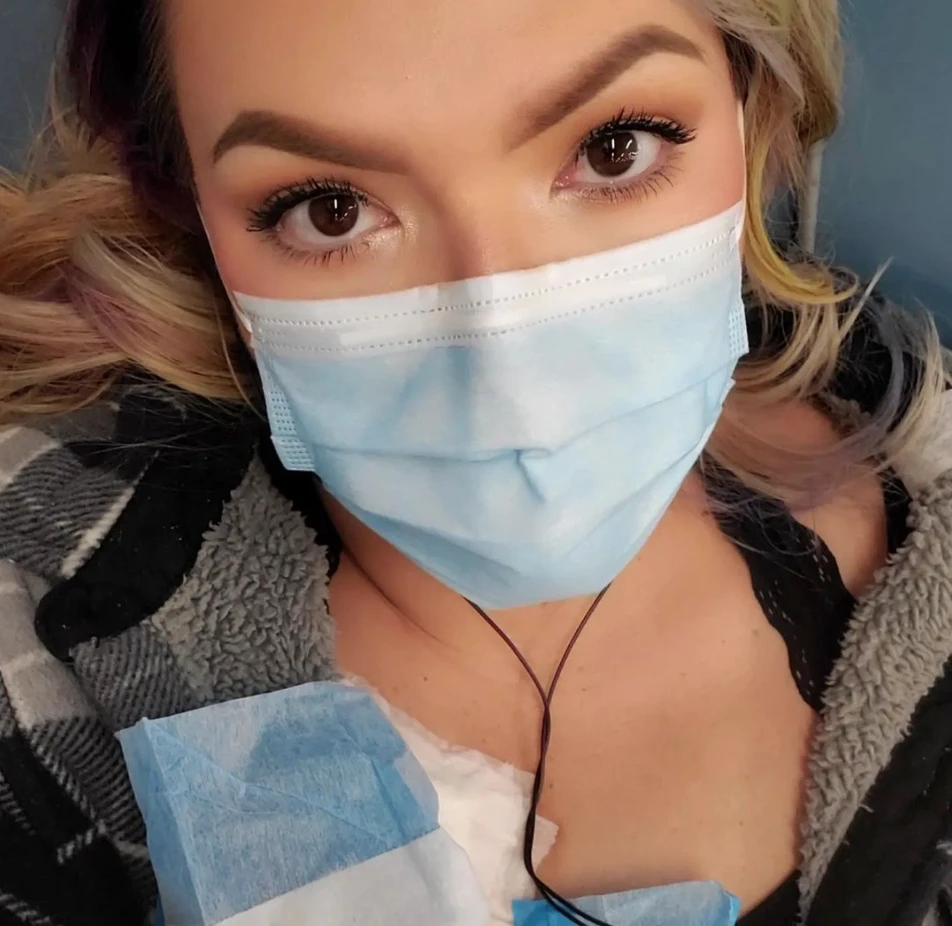
At PicnicHealth, we celebrate the innovative minds who are transforming how we conduct non-interventional research and put patients at the center of their healthcare journey. In this Employee Spotlight, we're thrilled to feature Ruby Maa, our Data Capture Product Lead.
Drawing from her unique blend of engineering expertise, healthcare technology experience, and deep understanding of clinical research workflows, Ruby is instrumental in building the platforms that enable seamless data capture and delivery for our life sciences partners. Read on to discover Ruby's path to PicnicHealth, her current contributions, and the passion that fuels her work.
Q: Please share what your role is at PicnicHealth
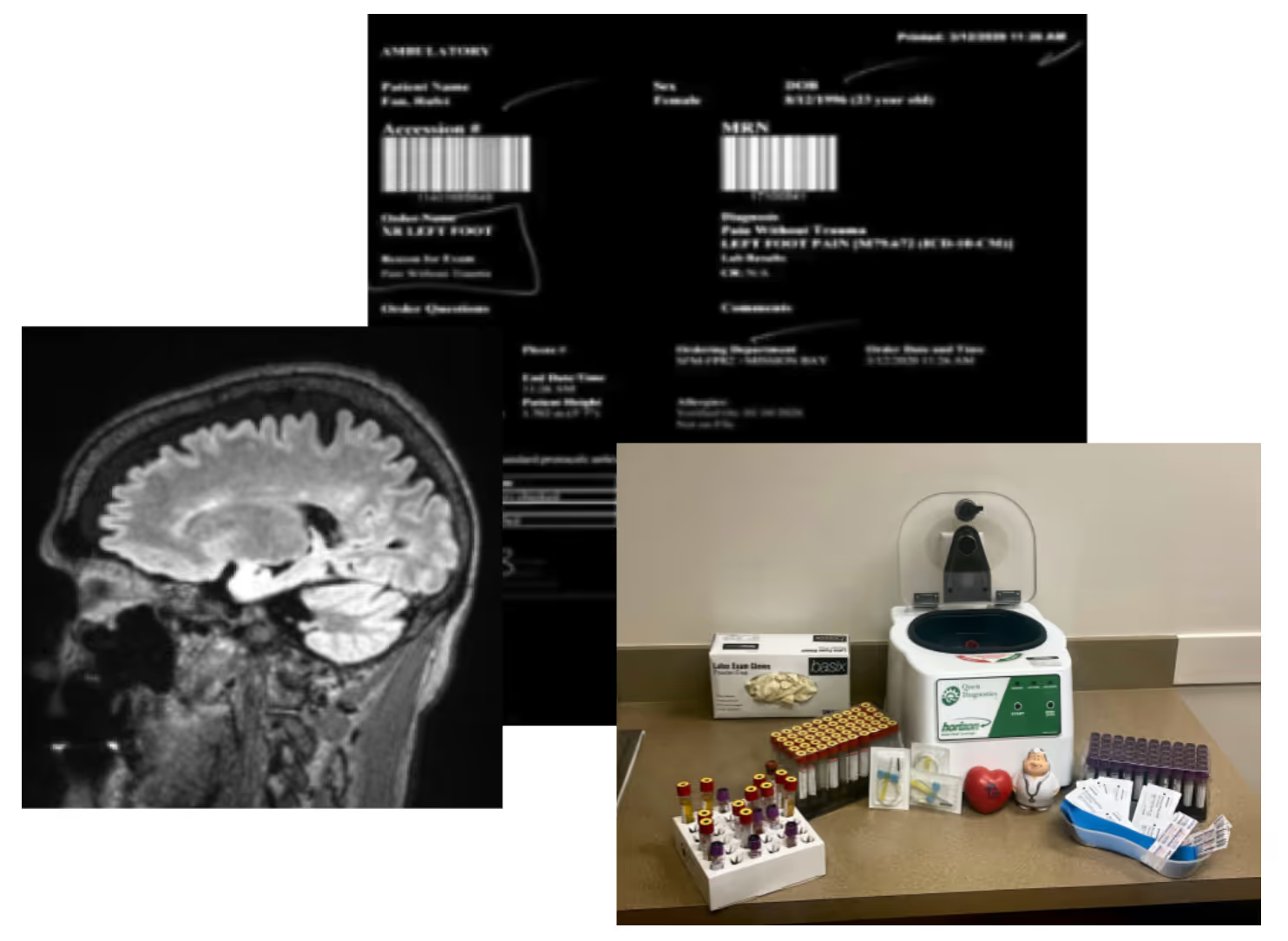
A: My role is to shape and build PicnicHealth’s data capture product, encompassing data retrieval, abstraction, data quality review, and delivery to our life sciences customers.
Q: Can you share your background prior to joining PicnicHealth?
A: I have always been interested in data and healthcare. In college, I studied chemical engineering and researched new ways to deliver drugs for gastrointestinal problems to minimize patient side effects. Since then, I have worked at multiple companies across healthcare data and AI/data products, including athenahealth, where I built electronic health record (EHR) software, and most recently Verantos, where I built a natural language processing engine to extract patient data from EHR narratives for clinical research.
Q: What does your day-to-day at PicnicHealth look like?
A: My day-to-day at PicnicHealth involves working cross-functionally to build the best platform for conducting non-interventional studies with real-world data. This includes collaborating with epidemiologists, data scientists, clinical quality data managers, biostatisticians, commercial teams, study project managers, and many others. Additionally, I problem solve with the clinical informatics team, engineers, and designers to identify new functionalities we should build to improve our platform. Each day, I also spend time reading industry news on clinical research, including publications, FDA guidances, and press releases from competitors.
Fun fact: One of my research projects in college involved using multiple high-speed cameras to capture the aerodynamics associated with flushing toilets to understand ways to minimize the spread of bacteria and viruses.
Learn more about our data capture in “The Modern Approach to Observational Research.”