


Thumbprint: The Patient Relationship Layer for Clinical Research
Every patient your trial touches is valuable. Don't let them go.
Finding, screening, and characterizing a patient costs money and time. Yet that investment often disappears the moment a patient screen fails or a study ends. Thumbprint keeps the connection active, so patients can contribute to future studies. No more settling for partial data from tokenization or starting recruitment from scratch.
Preserve your trial cohort and screen-failed patients
Build a patient pool that outlives any single study. When the next question, protocol, or evidence commitment arrives, you’re ready.
Preserve a full trial cohort past database lock
Avoid tokenization gaps with more complete, trial-anchored evidence
Stay connected with research-willing patients who screen fail
Enroll your next study with pre-qualified patients
Meet post-marketing requirements and commitments
Built to hold, proven to perform
trial cohort loss
from identifier mismatches or database coverage gaps
OF I/E criteria for future studies
can be evaluated before in-person screening
FOR A SITE
to enroll a patient in Thumbprint
Modular from entry to activation
Adopt Thumbprint once and activate modules as your research requires. Start with a single trial and scale to an indication, a therapeutic area, or the enterprise, turning one team's work into infrastructure the whole organization draws on.
The tokenization alternative: preserve your trial cohort beyond database lock, keeping participants available for future trial-anchored evidence, without tokenization’s match-rate and data-coverage limitations.
Stay connected with patients who screen fail from your trials. Sites invite them to join the patient pool at the failed screening visit. Research-willing, characterized patients stay accessible.
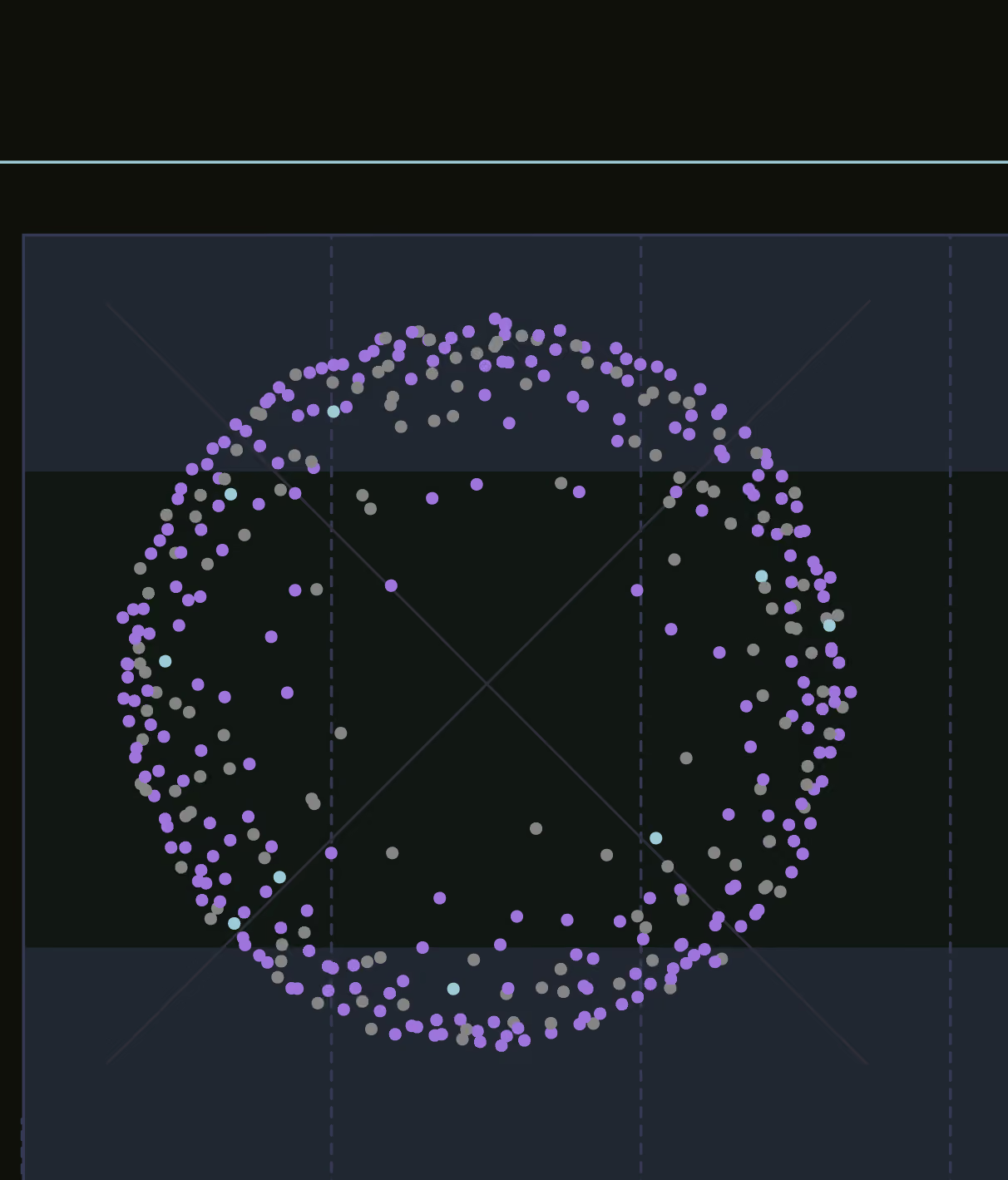
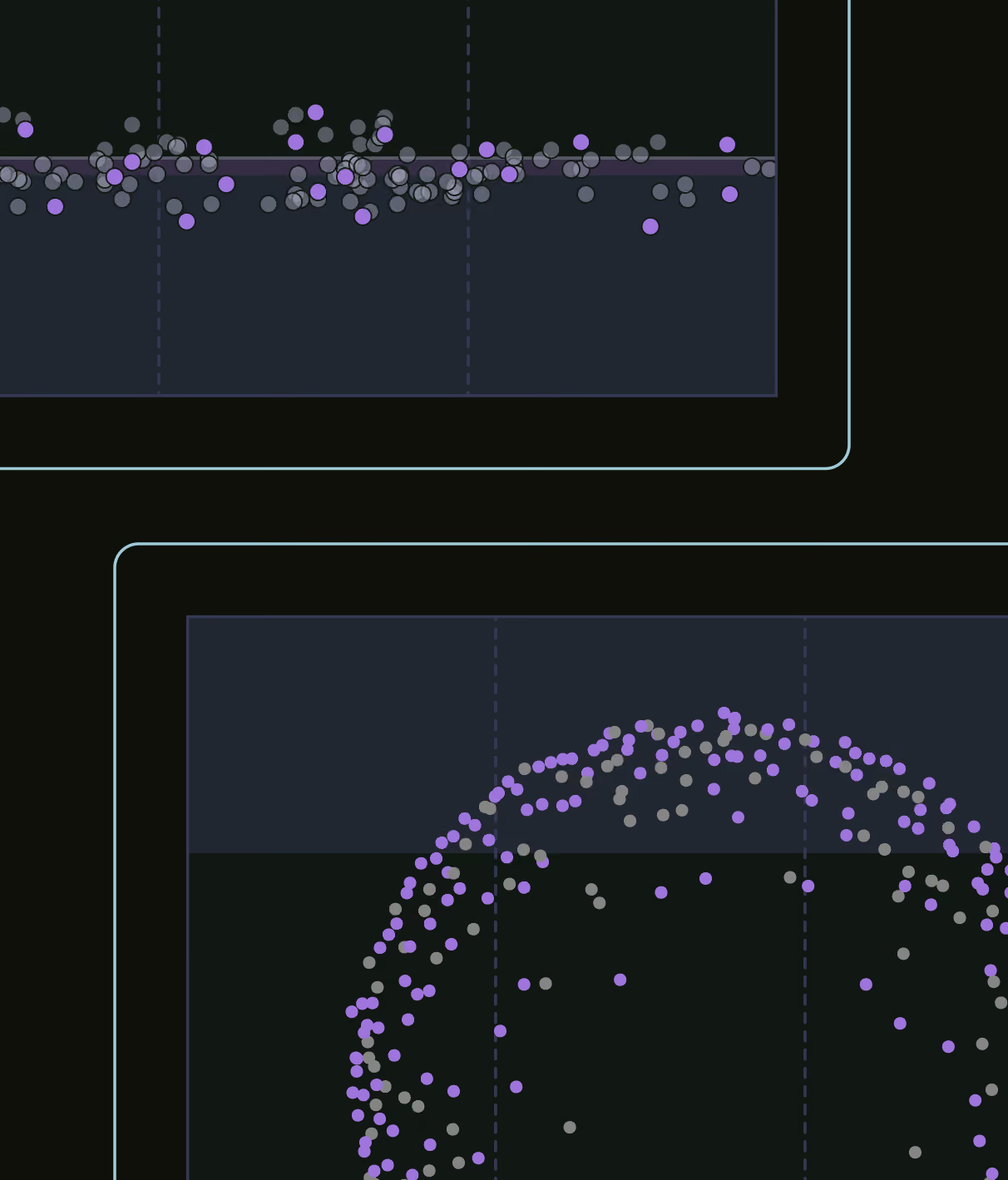
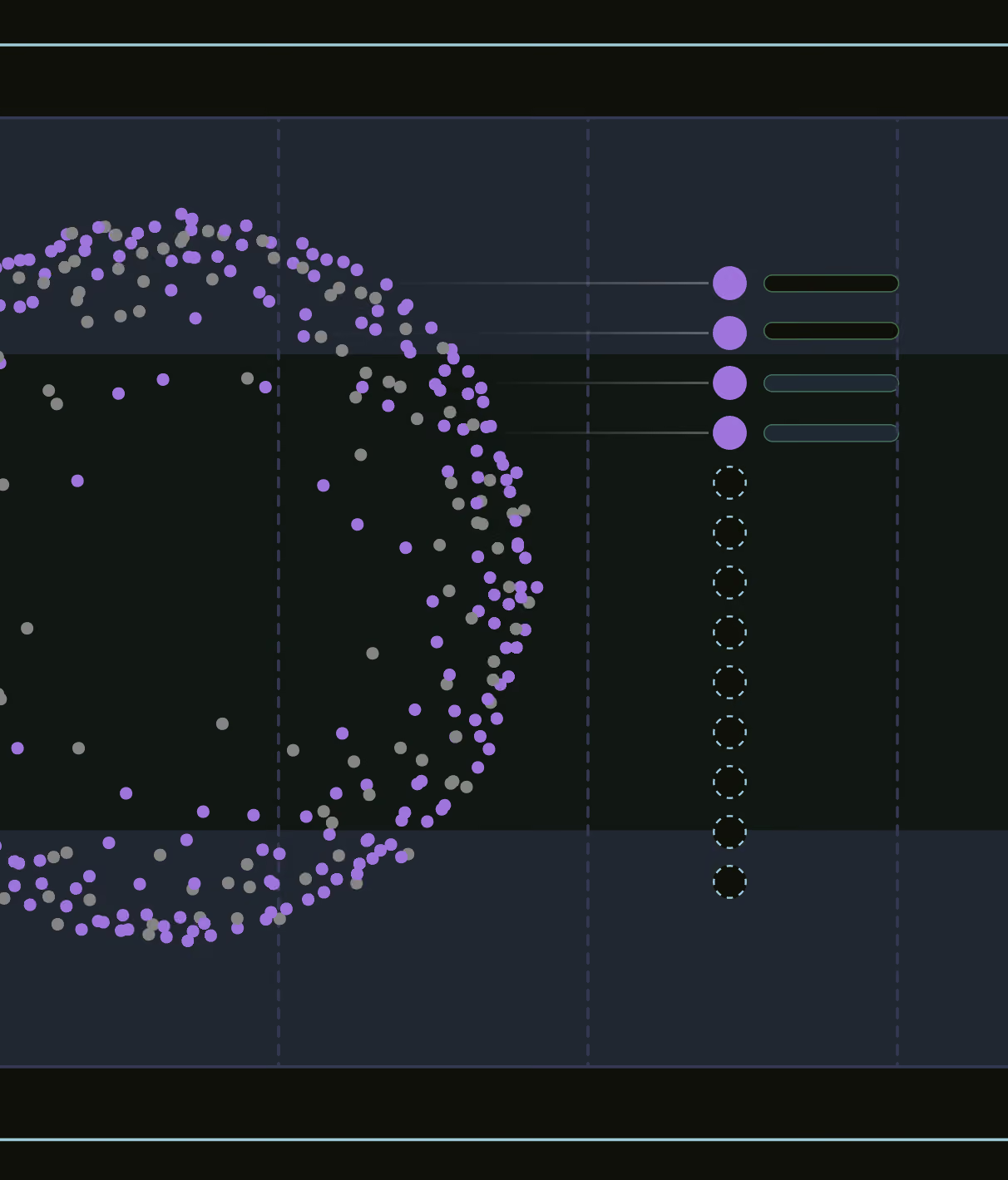
Between establishing and activating your pool, continuous EHR retrieval keeps patient records current, the PicnicHealth app keeps patients engaged and retained, and the Sponsor Portal gives you real-time visibility into the pool.
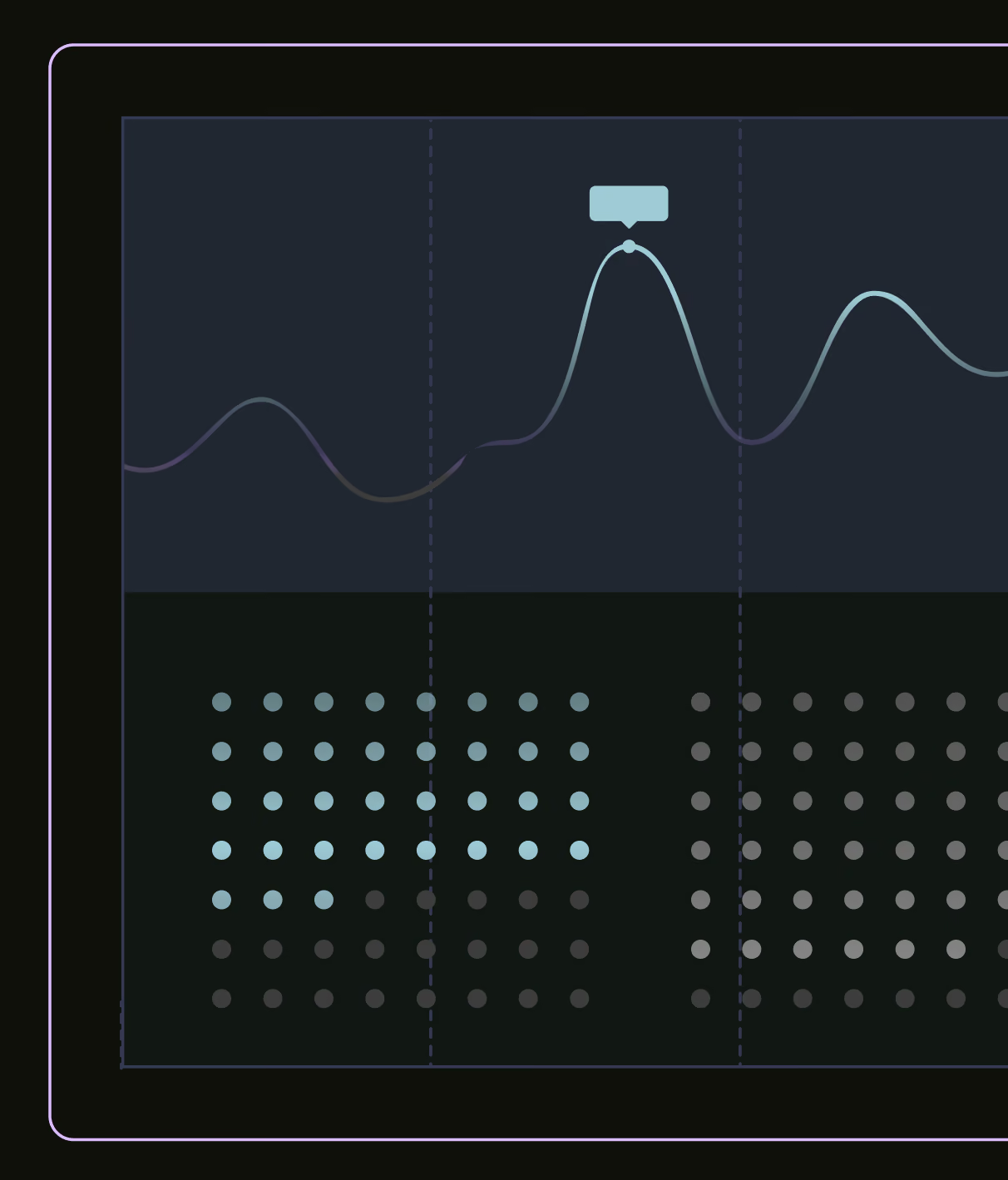
Whether you’re running an end-to-end PicnicResearch study or one of your own, enroll it with pre-qualified, research-ready patients. Pre-screen the pool against a new trial's draft criteria and verify up to 80% of criteria against the EHR. The result: fewer screen failures and faster recruitment.
The Thumbprint Advantage
Why choose Thumbprint?

Deep records, lasting relationships
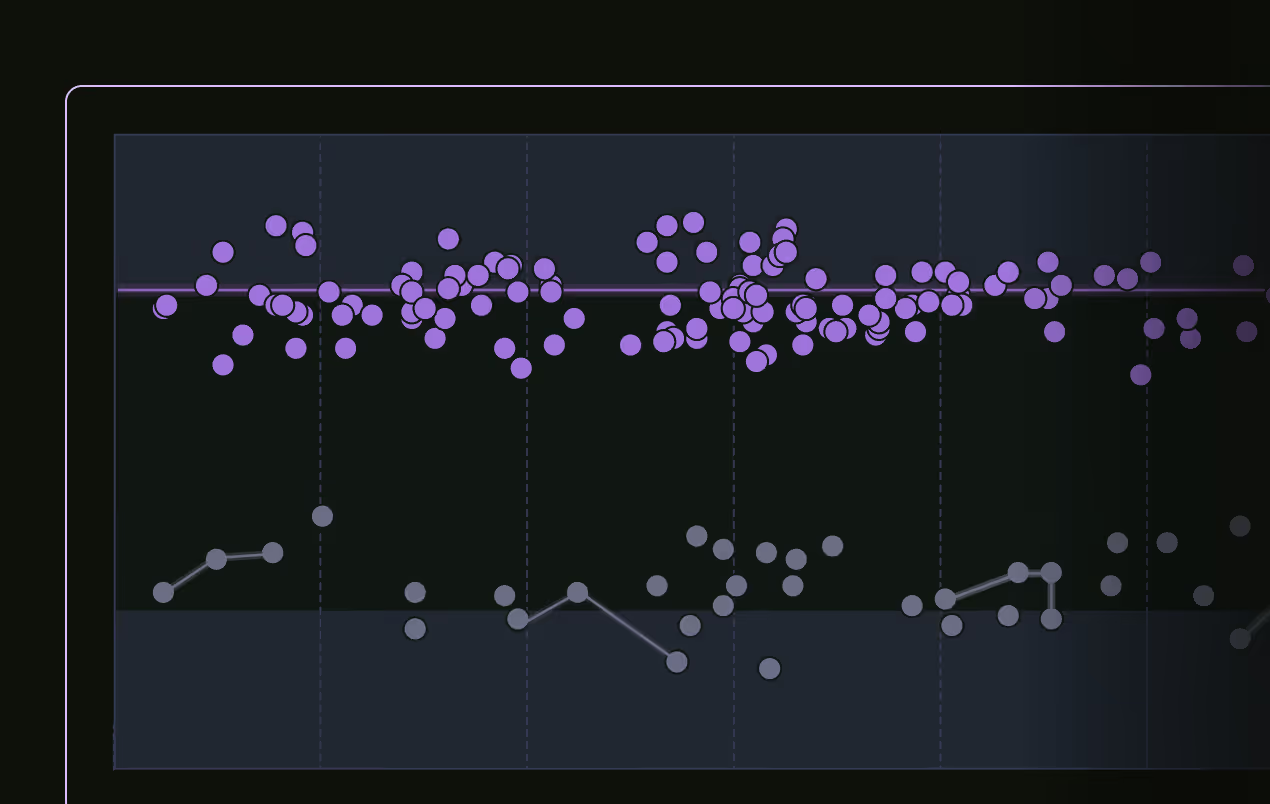
Every patient has a longitudinal record spanning all sites of care and an ongoing relationship with PicnicResearch, enabling more complete record capture, higher scientific rigor, and endpoint fidelity than tokenization allows. You can see the full clinical picture before anyone is screened and reach the right patients directly when the next protocol opens.
Ready when you are
When study needs arise, sponsors can build on Thumbprint with a separately scoped study. PicnicResearch co-designs a protocol and data model around predefined endpoints, captures complete retrospective and prospective records across all sites of care, and delivers analysis-ready, curated outputs aligned to regulatory and payer requirements.

Built for your challenges
Thumbprint is continuously evolving to take on clinical research's biggest challenges. Every new module builds on the pool you already have, so what you build today does more tomorrow, with no new vendor and no second platform to buy.
FAQs
Thumbprint questions, answered
Thumbprint is the patient relationship layer for clinical research: one pool of characterized patients that sponsors build once and reuse across studies. Instead of rebuilding patient relationships from scratch every protocol, you start with research-ready participants.
Thumbprint's Extend module is a patient-mediated alternative to tokenization for trial-anchored evidence. It maintains a direct, consented relationship with each patient rather than relying on a generated token, so the full cohort stays intact and re-engageable, with no match-rate attrition or billing-code proxies. Thumbprint does more than retain trial cohorts: Bridge captures screen-failed patients and Match pre-screens patients from the pool for new trials.
With the Bridge module, sites offer screen-failed patients entry into your pool at the failed screening visit. Research-willing, characterized patients you would otherwise lose stay reachable for future trials.
Yes. The Match module pre-screens your pool against a new trial's criteria and verifies up to 80% against the EHR, then helps study teams connect with pre-qualified patients. The result is fewer screen failures and faster recruitment.
Patients sign a HIPAA authorization giving us the right of access to their records on an ongoing basis, independent of any single protocol. Enrollment in any specific trial still requires that trial's own consent. The pool keeps the relationship alive; it doesn't pre-consent anyone to a future study.
Learn more about Thumbprint


Get in touch with our team.
Fill out the form, and one of our experts will contact you for an introductory call.