At the Intersection of Mental Health and Chronic Disease
By
Krista Meyer, PhD
Dec 20, 2022 • 6 min read
Mental health can mean a lot of different things to different people with seemingly vague definitions. MentalHealth.gov takes broad strokes to include emotional, psychological, and social well-being at the interface of how a person thinks, acts, and feels. Indicators that something is out of balance can present with a number of uncomfortable behaviors including having low or no energy, having unexplained aches or pains, or experiencing severe mood swings. It would be difficult to look through the entire list of possible symptoms and not relate at some level at some point in time, suggesting that mental wellness is just one fabric to the many layers that influence how we function on any given day. Unresolved or persistent mental health issues can lead to a diagnosis of mental illness, but it feels more fluid than other conditions or diseases that use more measurable diagnostic criteria such as abnormal lab values or imaging modalities to diagnose.
Figure 1 Twelve month prevalence of mental illness within the US [1]
The 1 in 4 US adults statistic may seem high, but negative stigmas surrounding mental illness have made it difficult to maintain an open dialog around mental health issues. People are willing to create an exterior shell rather than disclose their true thoughts and feelings. Similarly, a combination of negative stigmas and practical concerns can influence how sufferers access help for mental health problems. These might include how insurance is billed, should they find a therapist who accepts insurance, or whether this will now be considered a pre-existing condition when they seek future medical care. The stigma is gradually declining though it might mean that the original estimate actually underscores the number of people suffering from mental illness [2].
Figure 2 Number of publications using keyword “Mental Health” tabulated from Pubmed
Progress is being made on the research side too. There has been a large uptick in mental health treatments being evaluated as measured by a 62% increase in mental health clinical trials over a 6 year period [3]. In alignment, publications reporting mental health topics have increased exponentially (Figure 2) in the last decade. While these statistics demonstrate trends over time, the recent COVID-19 pandemic resulted in 1 in 5 adults having a significant negative impact on their mental health [4]. Mental health has found a permanent seat at the table when it comes to evaluating the complete health and wellness picture for any individual person.
What impacts mental health?
The brain is complex, a collection of neurons firing signals, organizing thoughts and experiences into an evolutionarily sophisticated organ. No two brains are the same. Mental illness can be linked to structural changes in the brain [5], but there are many variables that impact how the brain functions when it comes to mental health.
Dehydration can lead to mood and performance decline in children and poor cognition in the elderly [6]. Not surprisingly nutrition impacts cognitive function during aging. The gut microbiome has been linked to neurological disorders including depression, anxiety, Parkinson's disease, and autism and rightfully has earned the title of “Second Brain” due to its connection to the central nervous system [7]. Environmental factors shape our world before we are even born [8]. It leaves no doubt that there are both internal and external variables that impact the brain in positive and negative ways.
There are many examples of the bidirectionality that mental health can have as it relates to other conditions (Figure 3). This is all to say that biology has a strange way of mixing signals when it comes to basic survival.
Figure 3 Mental health issues can trigger or be triggered by other biological processes [9]
At the intersection of mental health and chronic disease
According to the National MS Society, multiple sclerosis (MS) patients deal with an increased amount of stress attributed to a number of reasons including diagnosis uncertainty, financial implications, and the unpredictable nature of disease progression [10]. In addition to added stress, studies found 30.5% of MS patients suffer from depression and 22.1% from anxiety [11,12].
Children are not immune to the impacts of chronic disease when it comes to mental health. Pediatric patients with chronic diseases carry a 6 fold increase in future diagnoses with a mental illness compared to their healthy peers [13]. As an aside, caregivers for children living with chronic disease are also higher in terms of increased anxiety and depression [14].
In total, around 16% of persons living with chronic disease have dual diagnoses with a mental health disorder. Patients are forced to deal with the healthcare system on multiple fronts to be adequately treated. This means that they are likely receiving care from multiple providers, at different sites, with unique treatments, follow-up tests and frequencies to manage. From a cost perspective, facing chronic disease and mental health issues equates to an increase in healthcare expenditure of 58% [15]. For the patient or caregiver, this means taking on a new role as ‘disease manager’ in order to adequately track and navigate the healthcare system and patient journey.
The PicnicHealth Timeline
Better support for patients with chronic disease can reduce some of the burden carried by patients. The PicnicHealth timeline can serve as an invaluable tool in creating a medical record database for patients to maintain all relevant touch points within the medical system (Demo the PicnicHealth timeline).
Figure 4 Patients take control of disease management with the PicnicHealth timeline
Giving patients control over their medical management can help ease some of the stress introduced from a chronic illness diagnosis.
"I have found having all of my medical records available in the palm of my hand such an anxiety reducer! Recently I was calculating how much weight I lost since January and I did a search on my timeline for "Weight" and it brought me right to my visit in January and the weight was right there. I could download the whole visit summary if needed. Now when I walk into a new doctor's office or facility I don't need to spend time making sure my records got there. I don't need to worry about remembering details, since Huntington's disease impacts my memory!" - Laura Hillard, HD Research Participant
What is Real-World Data?
Often following a diagnosis, a patient may struggle with feeling overwhelmed. Some want to participate in research studies or clinical trials but may be turned away if they also have a mental health diagnosis. RWD is data generated from patients outside of a clinical trial, in the ‘real world’. Patient health data exists in many sources from electronic health records and administrative claims to wearable technologies collecting real time data. There are endless questions that can be asked of RWD in an effort to better understand what it means to be a patient in the real world.
RWD is uniquely primed to support challenges around mental health clinical research. This is largely due to the fact that patients are not excluded for having comorbid conditions and are closer to representing the actual patient population.
PicnicHealth has created a RWD platform to help researchers access patient data that can support their research initiatives. Once the patient signs up, PicnicHealth retrieves all the medical records associated with a patient including medical records, imaging, and lab reports across payer systems and care networks. As mentioned, patients benefit by receiving a medical timeline while contributing to research that may change the future of care for their disease. This unique patient-centric system creates an environment where patients can further participate by completing PROs and answering surveys about their current disease state, yielding even more data to help researchers. Patient data is prospectively collected as they navigate their disease journey ultimately creating the best representation of patient data collected from the real world.
PicnicHealth’s Parkinson’s Disease Cohort
PicnicHealth has built a cohort of 1500+ Parkinson’s Disease patients, delivering 5-7 years of historical and prospective data across all providers and care sites. Key disease elements are abstracted from both structured and unstructured parts of the medical records. The resulting dataset is both complete and deep reconstructing the patient journey.
Figure 5 Proportion of patients in the PicnicHealth Parkinson’s Disease cohort with mental health conditions
The data continues to grow in richness as more patients join and records are retrieved and abstracted. Capture of non-motor symptoms, specifically those related to mental health, are part of the growing dataset. In an early look, it was discovered that 68% of the patients in the cohort have comorbid mental health conditions with sleep disorders, anxiety, and depression as the most common.
Parkinson’s disease is not an anomaly. Mental health impacts patients across chronic diseases and is important to consider within the larger scope of disease management. That being said, it is worrisome that our traditional system for clinical research may exclude the majority of patients from participation. Better care and solutions should be for all patients including those impacted by mental health. RWD can support research goals that include study of the whole patient, not a single condition in isolation.
If interested in learning more about the PicnicHealth research platform or the Parkinson’s disease cohort, contact us to set up an introductory call
References
Bagalman E., Cornell A. Prevalence of mental illness in the United States: Data sources and estimates. Congressional Research Services. 2018
Schlozman S, Beresin EV, Balon R, Coverdale JH, Brenner AM, Louie AK, Guerrero AP, Roberts LW. Stigma and Mental Health: A Proposal for Next Steps. Acad Psychiatry. 2016
Wortzel JR, Turner BE, Weeks BT, Fragassi C, Ramos V, Truong T, Li D, Sahak O, Lee HB. Trends in mental health clinical research: Characterizing the ClinicalTrials.gov registry from 2007-2018. PLoS One. 2020 Jun 5;15(6):e0233996.
Substance Abuse and Mental Health Services Administration. (2021). Key substance use and mental health indicators in the United States: Results from the 2020 National Survey on Drug Use and Health (HHS Publication No. PEP21-07-01-003, NSDUH Series H-56). Rockville, MD: Center for Behavioral Health Statistics and Quality, Substance Abuse and Mental Health Services Administration.
Bassett DS, Gazzaniga MS. Understanding complexity in the human brain. Trends Cogn Sci. 2011 May;15(5):200-9.
Pross N. Effects of Dehydration on Brain Functioning: A Life-Span Perspective. Ann Nutr Metab. 2017;70 Suppl 1:30-36.
Melzer TM, Manosso LM, Yau SY, Gil-Mohapel J, Brocardo PS. In Pursuit of Healthy Aging: Effects of Nutrition on Brain Function. Int J Mol Sci. 2021 May 10;22(9):5026.
Miguel PM, Pereira LO, Silveira PP, Meaney MJ. Early environmental influences on the development of children's brain structure and function. Dev Med Child Neurol. 2019 Oct;61(10):1127-1133.
Schlozman S, Beresin EV, Balon R, Coverdale JH, Brenner AM, Louie AK, Guerrero AP, Roberts LW. Stigma and Mental Health: A Proposal for Next Steps. Acad Psychiatry. 2016 Oct;40(5):735-9.
Foley F, Sarnoff J. Taming Stress Simplifying daily life. Instructions on muscle relaxation, deep breathing, visualization, and more. National Multiple Sclerosis Society
Davis BE, Lakin L, Binns CC, Currie KM, Rensel MR. Patient and Provider Insights into the Impact of Multiple Sclerosis on Mental Health: A Narrative Review. Neurol Ther. 2021 Jun;10(1):99-119.
Boeschoten RE, Braamse AMJ, Beekman ATF, Cuijpers P, van Oppen P, Dekker J, Uitdehaag BMJ. Prevalence of depression and anxiety in Multiple Sclerosis: A systematic review and meta-analysis. J Neurol Sci. 2017 Jan 15;372:331-341.
O'Connell J, Shafran R, Pote H. A Randomized Controlled Trial Evaluating the Effectiveness of Face-to-Face and Digital Training in Improving Child Mental Health Literacy Rates in Frontline Pediatric Hospital Staff. Front Psychiatry. 2021 Feb 11;11:570125.
Cohn LN, Pechlivanoglou P, Lee Y, Mahant S, Orkin J, Marson A, Cohen E. Health Outcomes of Parents of Children with Chronic Illness: A Systematic Review and Meta-Analysis. J Pediatr. 2020 Mar;218:166-177.e2.
Sporinova B, Manns B, Tonelli M, Hemmelgarn B, MacMaster F, Mitchell N, Au F, Ma Z, Weaver R, Quinn A. Association of Mental Health Disorders With Health Care Utilization and Costs Among Adults With Chronic Disease. JAMA Netw Open. 2019 Aug 2;2(8):e199910.
Buffel du Vaure C, Dechartres A, Battin C, Ravaud P, Boutron I. Exclusion of patients with concomitant chronic conditions in ongoing randomized controlled trials targeting 10 common chronic conditions and registered at ClinicalTrials.gov: a systematic review of registration details. BMJ Open. 2016 Sep 27;6(9):e012265.
Siciliano M, Trojano L, Santangelo G, De Micco R, Tedeschi G, Tessitore A. Fatigue in Parkinson's disease: A systematic review and meta-analysis. Mov Disord. 2018 Nov;33(11):1712-1723.
Schrempf W, Brandt MD, Storch A, Reichmann H. Sleep disorders in Parkinson's disease. J Parkinsons Dis. 2014;4(2):211-21.
Rihmer Z, Gonda X, Döme P. Depression in Parkinson's disease. Ideggyogy Sz. 2014 Jul 30;67(7-8):229-36.
Barone P, Erro R, Picillo M. Quality of Life and Nonmotor Symptoms in Parkinson's Disease. Int Rev Neurobiol. 2017;133:499-516.
1. Provider assessments
PicnicHealth’s providers can schedule virtual visits with study participants to conduct assessments required by the study protocol. Using clinical expertise, these assessments help evaluate participants' symptoms, overall health, and functional ability.
2. Diagnostics
The PicnicHealth care team can order specific diagnostic tests, such as labs or imaging, if they weren't part of the patient's routine care. This ensures that sponsors have all the necessary data to address their unique research questions.
3. Safety and adverse event reporting
PicnicHealth’s clinical team can provide support to ensure appropriate safety reporting. This includes monitoring for safety events to support safety adjudication.
4. Primary Investigator (PI) oversight
The PI of the PicnicHealth Virtual Site provides clinical oversight to ensure appropriate study conduct, including assessing whether the study is following study protocol, meeting compliance with regulatory standards and good clinical practice guidelines, collecting data accurately, and maintaining documentation and producing progress reports as required.
25,966
patients onboarded to platform
1,427,368
medical visits processed
56,861
facilities provided medical records
255,101
healthcare providers
95+
research programs
12
published posters and manuscripts
10
partnerships with top 30 pharma
New Research
Discover how PicnicHealth data powered medical research in 2021
This year, experts from PicnicHealth joined podcasts, webisodes, virtual summits and much more to speak to the importance of patient-centric approaches when building complete, deep real-world datasets.
Sickle cell (SC) is the most common inherited blood disorder in the United States. Red blood cells become rigid and shaped like crescent moons, preventing oxygen from getting to parts of the body. This can cause fatigue, severe pain, organ damage or stroke.
List the names of all the doctors, hospitals, and other facilities your loved one visits regularly, along with those they have visited in the past. Try to go back as far as you can, striving for at least the last 5-10 years, but do your best. Even if you can’t remember them all, having a strong baseline can help you quickly identify gaps in records.
Ensure You Have the Appropriate Legal Status
It is important to make sure that you are fully empowered to make decisions on behalf of your loved one with Alzheimer’s. Your relationship status with the patient may not be enough to legally give you access to your loved one's medical information. It is a good idea to talk to an expert about securing special legal status, such as Power of Attorney (POA), a legal document that allows an individual to name someone as their decision maker should they no longer be able to make decisions on their own.
Gather and Organize the Medical Records in One Place
It’s important to have all of your loved one’s medical records together in one spot. This makes it much easier for you and your loved one’s physicians to accurately map the patient’s medical journey and more easily share information between doctors. Fortunately, tools exist to make record management and access simple. A free resource like PicnicHealth helps you collect and organize all of this information. PicnicHealth’s intuitive timeline allows you to pinpoint data across the medical history, eliminating your need for keeping heavy binders filled with paper records or keeping track of multiple software portal logins.
Review the Medical Records to be an Informed Advocate
The better you understand your loved one's medical history, the better you can advocate on their behalf. Access and understanding of this information will help you to ask informed questions with physicians. Through regular communication backed by the data in the medical records, you can help your loved one’s care team develop a more successful care plan.
Learn more about PicnicHealth’s commitment to the Alzheimer’s community and the Alzheimer’s Association
When you’re juggling appointment times and insurance claims, putting a robust support system together might not strike you as the most urgent task. Investing the time to cultivate relationships with people can turn to in times of need will pay dividends. The next time you need a last-minute ride or just someone to listen, you won’t be on your own. There are many condition-specific support groups and support groups for caregivers generally in person or online. In addition to the encouragement and empathy they provide, support groups can be a helpful source of tips, resources, and recommendations for navigating caregiving.
2
Stay organized.
The backbone of effective caregiving is organization. Keep medical information, appointment schedules, and medication lists in order. Use a planner or a digital service like PicnicHealth to stay on top of your responsibilities. This attention to detail can prevent future complications and reduce day-to-day stress.
3
Explore treatments and clinical trials.
We’ve seen incredible breakthroughs in treatment over the past couple of years, powered by patients and their caregivers participating in research. Stay in the loop about the latest in medical advancements and available resources that could benefit your loved one. Whether it’s a new therapy option or a community service that aids independence, being informed can make a world of difference in the quality of care you provide.
4
Make time for self-care.
It may seem self-centered to focus on self-care—but when you feel good, you can be a better caregiver. Whether it’s exercise, a mindfulness practice, a soak in the bath, or just time to rest when you need it, carve out those moments in the day when you can unwind, reset, and stay healthy mentally and physically. Think of it as building up your reserves of kindness, patience, and understanding—which can only benefit your loved one. No one can pour from an empty cup.
Having trouble managing your loved one's medical records?
Easily manage all of your loved one's medical records and contribute to ongoing Alzheimer's research with PicnicHealth.
Tip: Download or print the poster at the end of this article to review before your next appointment!
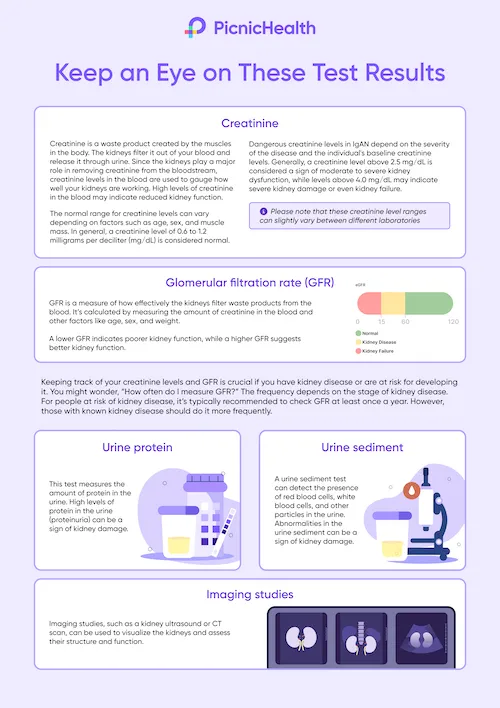
However, it's important to consult with a healthcare provider or registered dietitian to determine the appropriate amount of protein for your individual needs. In general, a diet with moderate protein intake (about 0.8 grams per kilogram of body weight per day) is recommended for people with kidney diseases.
Learn more about contributing to IgAN research with PicnicHealth.
A tablet, phone, or laptop with a working camera, microphone, and stable internet connection.
A quiet, distraction-free area with enough space to walk a few steps if applicable.
A chair that you can use during any movements or tasks you’ll be asked to perform.
The tripod mailed to you via Amazon.
What to Expect
Before your video call:
Book Your Assessment
Visit your to-do list on your PicnicHealth Research Dashboard or click the scheduling link sent to your email. Note: Search for “New task for the ORBIT-CIDP Study" to find the video call scheduling link.
Receive Confirmation
Check your email for a confirmation with your scheduled video call time and instructions.
On the day of your video call:
Click on Video Link
Join your personal video call using the link we sent by email, or text message, or find it on your research dashboard.
Meet your nurse
A Registered Nurse (RN) will guide your virtual assessment, which will last about 30 minutes.
Complete the Physical Activity Assessment (INCAT)
The nurse will guide you through questions and, if needed, physical tasks to help researchers gain a deeper understanding of CIDP.
Complete the Movement Assessment (Optional)
If you participate, a nurse will guide you through three short recorded movement activities to complete as best you can:
Chair Task
While seated with your arms crossed over your chest and hands on oppositeshoulders, you’ll be asked to stand up, remain standing for 20 seconds, and then sit back down.
Arm Movement Task
While seated with your arms resting at your sides, you’ll be asked to raise both arms out to the sides until they meet above your head, then lower them back to your lap.
Finger Dexterity Task
While seated, raise your right hand with fingers extended. Touch your thumb to each fingertip in order, then reverse. Repeat with your left hand. This will then be repeated with your left hand.
Earn Compensation
Receive up to $55 for your participation:
$25 for completing the Physical Activity Assessment (INCAT).
$30 for the Optional Movement Assessment.
Recording: Your research assessment may be recorded to ensure accurate data collection. If you participate in the optional Movement Assessment, it will also be recorded. These recordings may capture your voice and responses, but identifiable information like your face, name, or background will be removed to protect your privacy.
Opt Into the Smart Insole Study Activity
Complete the opt-in survey to confirm your participation.
Receive Your Smart Insoles
Your smart insoles will be shipped to your home via FedEx and should arrive within 1 week.
Create Your Account
You’ll receive an email from Celestra Health with your account details. Follow those steps to set up your account.
If you don’t see an email from Celestra Health in your inbox, please check your spam or junk folder.
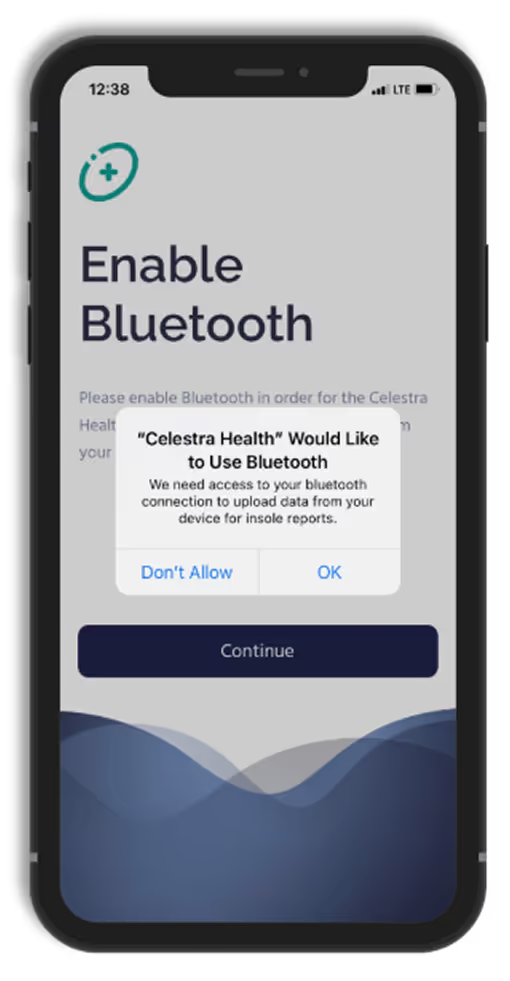
Download the App
After creating your account, you’ll be directed to a landing page with links to the App Store or Google Play. Use the link to download the correct version of the app for your device.
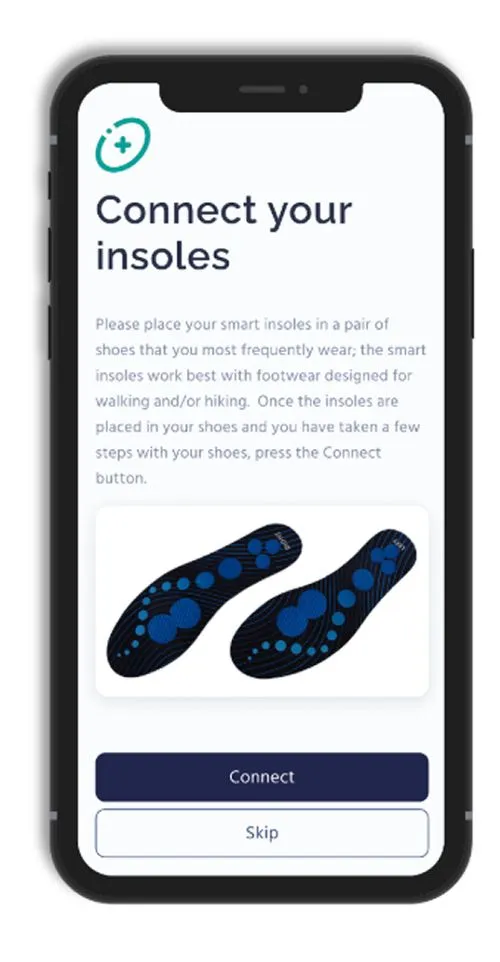
For illustrative purposes only, your insoles may look different
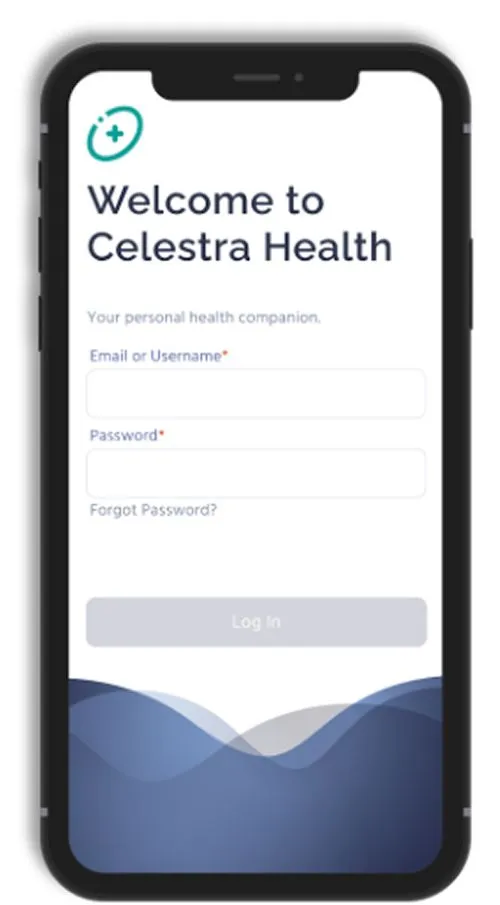
Log In
Open the app and log in using the email address and password you used when creating your account.
Enable Permissions
For iOS users: Enable Motion & Fitness and allow access to Apple Health.
For Android users: Enable Activity Recognition permissions.
Connect Your Insoles
Turn on Bluetooth, and follow the app's instructions to connect your smart insoles.
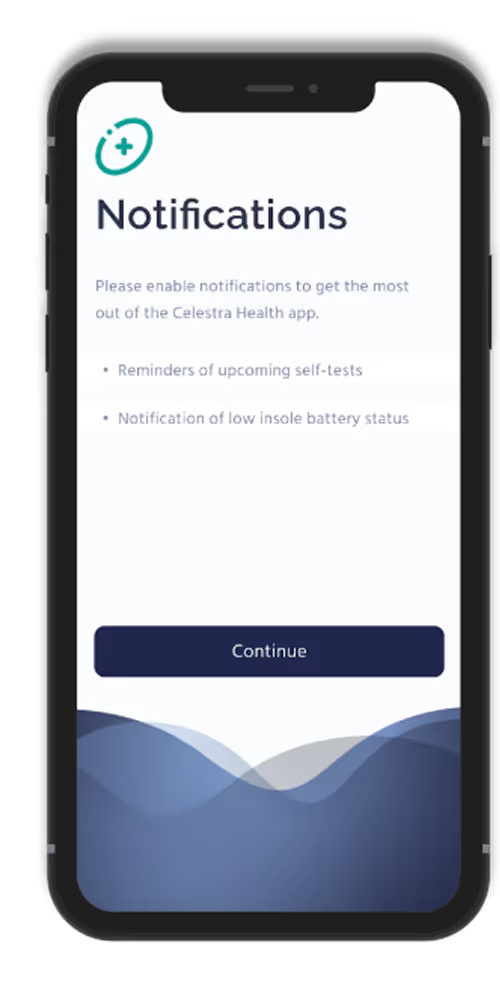
Enable Notifications
Enable push notifications to stay updated on reminders and activity progress.
For illustrative purposes only, your insoles may look different
Start Walking Sessions
When you’re ready to perform a walking session, tap ‘Start’ on the Ad Hoc Walking task card in the app.
Smart insoles are designed to fit comfortably into any pair of closed shoes
Need Help?
Should you need to contact Celestra Health support for any reason, you can submit a ticket through the Help section of the app by tapping the Submit A Ticket card and filling out the form. A Celestra Health representative will typically respond within one business day.
A fully charged device (smartphone, tablet, or laptop) with a working camera, microphone, and stable internet connection.
A quiet, well-lit space that is free from distractions.
Good lighting so your face is clearly visible; having a small flashlight or your phone’s flashlight nearby can help with skin, scalp, or joint checks.
Flexible device positioning so you can easily adjust or prop up your device hands-free if the research staff asks to view specific areas (such as your face, hands, or scalp).
Space to move in case you are briefly asked to stand or walk a few steps.
Your medication information, including your current steroid(s) and BENLYSTA® (belimumab) — either the medication bottles or a list with doses and schedule.
Time to focus without interruptions so the visit can be completed comfortably.
Before Your Video Call:
Schedule your visit
Use the scheduling link on your PicnicHealth Research Dashboard or the link sent to your email. Tip: Search your inbox for “New task for the BEACON-SLE Study - schedule your remote visit” to find the scheduling email.
Check your confirmation
You’ll receive an email with your appointment time and instructions for joining the video call.
On the Day of Your Video Call:
Join the call
Click the Zoom link sent to you by email or text message, or use the link available on your research dashboard.
Meet with the research staff member
They will ask you structured questions about your health and any lupus symptoms you’ve experienced over the past 30 days.
If needed, they may guide you through a few simple visual checks (such as looking at your skin, hair, joints, or mouth). You can always tell them if you’re not comfortable with anything.
Receive Compensation
You’ll receive up to $60 for completing your visit.
Site-based enrollment reaches the most accessible patients, not the most representative. Enrollment channel is the most consequential evidence generation decision.
FDA's one-trial default shifts the evidentiary burden. Learn why regulatory-grade natural history data is now load-bearing evidence for surrogate endpoint validation.


.avif)
.avif)
.avif)
.avif)
.avif)
.avif)