Digital health has become an integral part of the healthcare system. Over the past decade, digital technologies have made their way into research and clinical practices to improve access, effectiveness, and efficiency of care. The COVID-19 pandemic accelerated the presence and use of digital technologies and sparked a wave of virtual care practices, including remote patient monitoring, telehealth, and personal diagnostic and medical devices. Digitization has radically changed the landscape of healthcare, and we are just beginning to tap into the full potential of virtual care.
Skeptics of the digital movement cite concerns over fewer in-person visits and greater ‘distance’ created between patient and care provider. However, many digital health tools bring us closer than ever to what is happening at the patient level. For example, wearable technology or wearables provide salient and meaningful connections to a patient’s lived reality.
We sat down with Evelyn Pyper, Senior Evidence Strategy Manager at PicnicHealth, to talk about successes, limitations, and areas for growth within the wearables industry. Evelyn is currently completing her DPhil (PhD) at the University of Oxford with a research focus on the intersection of digital health and real world data. Pyper humanizes digital health technology to remind us of our end goal — to expand our toolkit to help people better understand their health and improve patient outcomes.
Q: Set the scene for us - what is the current wearable technology landscape?
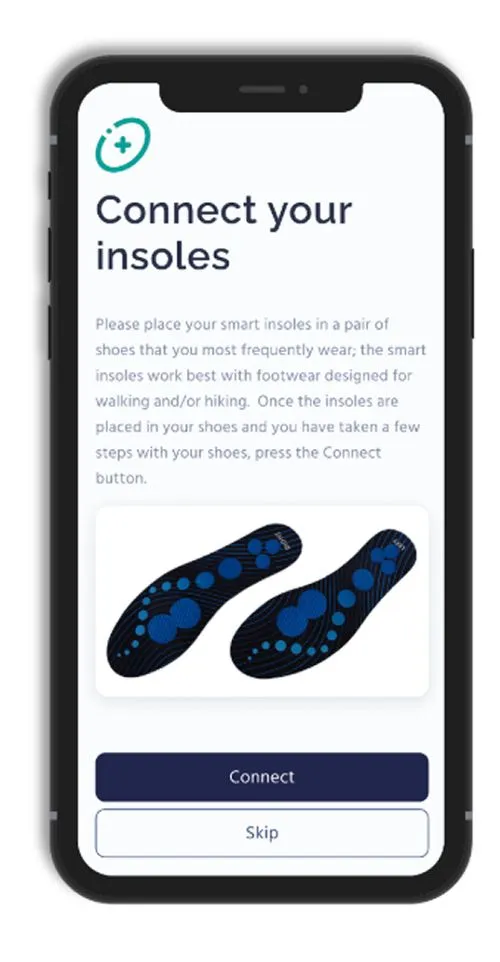
E: The digital health technology landscape is constantly evolving, so it’s par for the course that there is no single, universally-used definition of wearable technology. But put simply, “wearables” refer to sensors or devices that, while being worn, collect health-related data from persons remotely. The wearable market is dominated by wrist-worn devices; this includes smartwatches like the Apple Watch and smart bracelets like Fitbit. These “smart” sensor-based technologies also extend to clothing via textile-based sensors, rings, eyewear, and footwear. Just as the availability of smartphones and digital apps has increased over time, the global health wearables market is booming, as more people across more countries own a consumer wearable device. The digital divide – the economic and social inequality in access or use of these technologies – still very much exists, but promising improvements in device availability and health literacy are contributing to its narrowing.
Q: What’s driving the growth of the wearable device industry?
E: Early waves of wearable industry growth were largely driven by the wellness movement and consumers’ desire to monitor their health and fitness in real time through devices like accelerometers. As technologies evolved from measuring steps to physical activity, sleep, calories burned, heart rate, and blood pressure, there has been increasing recognition and application of wearable technology for clinical care.
Recently, the line between wellness and medical devices has started to blur. For example, some smartwatches can perform an ECG and can therefore be used as a medical device for diagnosing atrial fibrillation. The Apple Watch was the first of this kind of device to receive FDA clearance, and it also received similar approvals from EU and UK regulatory bodies.
"Today, wearables exist that can measure everything from respiration and skin temperature to gait and cognitive function. With continued technological developments and advances in predictive analytics, there is no limit to the potential of wearable devices."
Q: Can you expand upon the impacts COVID-19 has had on the wearables landscape?
E: One of the few silver linings of the COVID-19 pandemic's damage and disruption is that it was a huge catalyst for the deployment of digital tools within many health systems, creating a momentum that we are still riding.
"Just as most workplaces had to quickly learn to operate remotely, healthcare providers and researchers needed to rapidly establish ways to support remote patient monitoring and care. The global reach of the pandemic revealed many fractures in our healthcare systems, but it also demonstrated what’s possible when we put these technologies to use on a large scale. "
We saw an increased willingness among patients and consumers to track their health remotely, and the pandemic necessitated researchers to take this remote-first mindset for clinical trials. Across all stakeholders, this meant the importance of wearables was greater than ever.”
Also, at the onset of the pandemic, regulatory bodies fast-tracked remote monitoring devices for infectious diseases so they could be designed to monitor the virus. For example, in the Spring of 2020, the FDA issued Emergency Use Authorizations (EUAs) for certain remote or wearable patient monitoring devices to support patient monitoring and help reduce patient and healthcare provider exposure to COVID-19 during the pandemic. [Source]*
Q: More broadly, what benefits do wearable devices provide to researchers and patients?
E: Wearables can definitely be a win-win! I consider myself both a researcher and a patient, and there are many benefits of wearables that can be realized by both these groups.
The volume - huge amounts of data over many points in time - and velocity - high speed of collection - of big data that can be collected by wearables is tremendous. Wearable technologies can also allow for the continuous collection of information that may not otherwise be captured by traditional real-world data sources. As well, the typically passive nature of wearable data collection supports more objective measurement, limiting reporting/recall biases.
"As patients and consumers, it is mind-boggling how little information we have about our own health relative to how much non-health information we have at our fingertips. Wearables provide, often in real-time, a view of information that many people wouldn’t otherwise have access to."
This “Quantified Self” and increased awareness of one’s own health state can be quite empowering for patients. Individuals may be motivated to change behaviors and seek care as they invest more heavily into their own health journey. Patients may also be empowered to contribute their deidentified wearable data to research or connect this data with providers to support care. Because most wearables can be worn unobtrusively and collected passively, measurements do not place any excess burden on patients. From a health equity lens, wearables enable data collection in rural and remote areas, as well as in resource-limited settings, where access to a site of care for measuring important clinical outcomes may be challenging and disproportionate based on sociodemographic factors.
Q: When will we see the pharma industry leverage this kind of data for scientific research?
E: I would say we are already seeing exciting applications of wearables in clinical trials and real-world evidence studies. However, this body of research is still relatively nascent. Before a wearable device makes its way into industry research, there are many different hurdles over many years that must be surpassed. The technology itself needs to first be evaluated for its ability to capture a sensor-based signal. Then, researchers must validate the algorithms used to generate measures of interest in a controlled setting. Finally, in order to have clinical utility, the wearable must be validated in a real-world context with real patients. While many innovative technologies exist at the top of this funnel, with each subsequent stage, fewer devices proceed. It is definitely a long road, but the good news is that there are amazing technologies making it out the other side, which are driving patient-generated data collection across a number of diseases and conditions.
Thank you, Evelyn, for sharing your knowledge and expertise in this introduction to wearables technologies and the various benefits for patients and researchers.
Contact us to learn how to link wearable data with medical records for a more complete patient picture.