Evelyn Pyper:
I'm fairly certain that not one of us on our own could really have the impact that we could have together, particularly when it comes to registries and how many folks are involved. But with that, we've never quite solved the problem. Our work is never quite done. I'm sure all of our panelists have ideas or dreams, top of mind, that continue to move the needle for patient registries. And so as a larger final question before we head into more of the audience Q&A, I'll ask each of our panelists to imagine a world where resources, people, resources, financial resources are unlimited. What would you do with these infinite resources to further optimize the design or deployment of your registry or a registry? Dan, I will start with you.
Dr. Dan Drozd:
All right, I have lots of thoughts and ideas here, but I think maybe what would be more, what I'll do is start by just putting out a couple of north stars that reiterate a few of the things that we've talked about already. I think increasing focus on minimizing burden on patients while at the same time increasing their ability to contribute. We talked a little bit about how there's increasing choice and competition for patients about different sources of data that they can contribute to. I think the extent to which we live in a world where there are silos, no one is going to actively go out and contribute to 10 different disease registries within their condition. And so thinking about ways that we can simplify that process from a patient perspective is top of mind for me. I think it is also key to us recruiting diverse populations of patients and patient retention within registries.
And then in situations where the registry isn't entirely virtual, really a similar frame of mind thinking about sites and interaction at a site level. So what are the things we can do to make the process easier for sites getting from, here's another study that I'm being asked to do, to this is a study that I can show value to patients that can be relatively low impact to my clinic or my setting from a staffing perspective, from a cost perspective. And then also really from a technology burden perspective, I think sites are increasingly being asked to adopt many, many different flavors of e-consent systems or various sorts of things. And so these to me are things that are like north star, top of mind as we think about ways to expand the reach of registries in the ecosystem.
Evelyn Pyper:
I like it. I like it. Thanks Dan. And Heather, how about you, world where there's no constraints to what you can do with your registry?
Heather Fitzpatrick Medlin:
I think the ability to give back to patients or participants in a way that they can see the information more readily, perhaps more graphically, have timelines and being able to really empower them to make the best healthcare decisions with their providers, gives them a bit more understanding. And as I said, we can't dispute the fact that we do a lot of things in English. We need to broaden that. We can't assume people can read and write, so we have to make sure that we're able to provide this information perhaps in an audible way so that information can be shared for those that may not have access to information on the ready. I think that's our goal. And again, looking at how far we've come, it's pretty impressive. And I'm sure if we regroup in two years, we'll be talking about today being the good old days.
Evelyn Pyper:
We should indeed do that, regroup in two years and see if we've achieved any of these goals. That's great.
Heather Fitzpatrick Medlin:
Exactly.
Evelyn Pyper:
And Clara, how about you?
Clara Lam:
I think just to build on everything that Dan and Heather had said, I think if I had a wishlist aside from just capturing all this really wonderful information on the treatment, the journey, the patient perspectives, caregiver perspective, physician perspective, all of that, as a health economics person a little bit on the background, I'd also like to collect information to be able to address the financial toxicity that our patients are dealing with. There is no simple condition in the United States and everything seems to be expensive. So what can we do to help our patients address some of those concerns as well?
So if there were ways for us to be able to capture information on costs, disease progression, just the quality of life, just capturing a lot of this information just on all fronts for economic outcomes research to be able to quantify that and showcase if we can provide better treatment options for our patients earlier, can we delay disease progression? Can we delay the costs and the financial toxicity that comes along with that? I think that's another huge component of information that we don't necessarily have set up in this moment, but I think that could be coupled with the information that we are capturing in the registry would be incredibly valuable and just not available anywhere else. I think if I had my wishlist, I would add economic outcomes as well.
Evelyn Pyper:
That's a great one. Especially it feels like both a probably common researcher wishlist item, but becoming more of a potential reality in the world of value-based healthcare where there'll be certain things that aren't just a wouldn't it be nice if we could capture, it'll be a thou capture this or we're not going to reimburse. And so that just feels like such, again, let's regroup in two years and see how much of this is in fact necessary and not just innovative. Thank you so, so much to our speakers. Oh yeah, Dan, go ahead.
Dr. Dan Drozd:
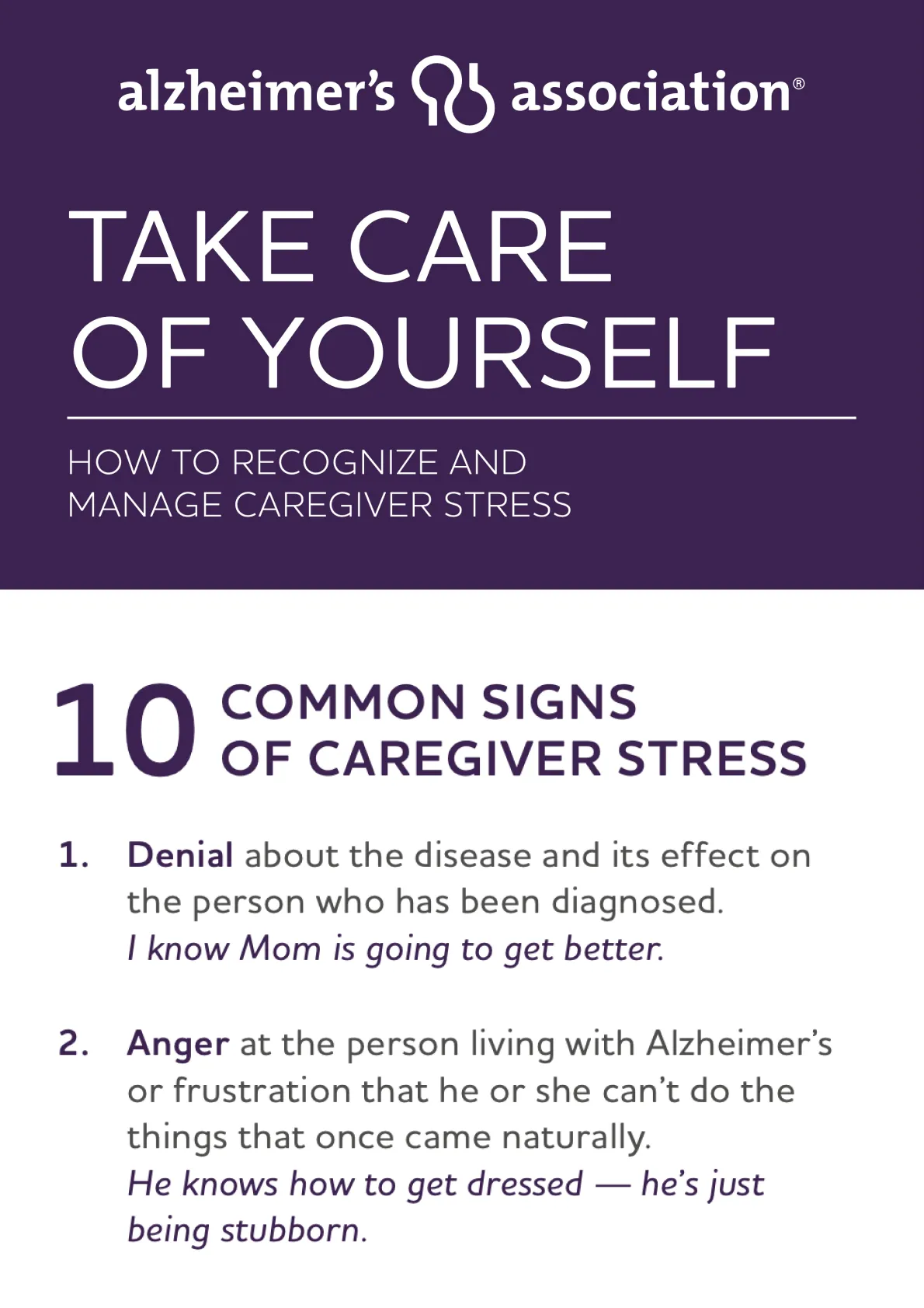
One other quick follow up to that, which is probably obvious, but I think it's not just patient economic burden, it's caregiver burden as well. And so in many, many conditions that we work in, there's a significant burden on caregivers that is historically under captured. And so I think really reflective of, if part of our aim is to really understand the true impact of disease and the true patient journey, the caregiver aspect is key as well.
Evelyn Pyper:
Definitely. Thank you for adding that. Any other thoughts from the group before we head to audience Q&A? Awesome. Well I think we have some great questions waiting for us, so thanks so much to our panelists and we'll head into the next phase with Sydney.