Prophylaxis in hemophilia A is designed to prevent bleeds. But in a US cohort of 131 people with hemophilia A on routine prophylaxis, 78% reported using additional factor treatment (i.e. dosing beyond the prophylactic dose), mostly to treat bleeds that occurred anyway. The gap between what prophylaxis is designed to do and the additional treatment patients used offers a real-world view of how they managed their disease in practice.
That gap is hard to observe. Even detailed records, clinician notes included, mostly capture what happens at a clinic visit, and often miss the self-managed treatment a patient undertakes between visits. This discrepancy is not unique to hemophilia. Wherever treatment decisions are made between visits, the same blind spot appears.
Closing it is a matter of study design. A study that links complete longitudinal records to what patients report over time captures both what happened at the clinic and what patients did on their own, including self-administered doses and reasons for their use. For a team planning its own study, that design choice determines what the evidence can later show.
The shared gap in real-world data
Claims and aggregated datasets are built for population-scale utilization and safety surveillance; tokenized datasets, for reach across systems; site-based registries, for depth at a single center. Each is fit-for-purpose for the question it was built to answer. They share the same limitation. These sources typically don’t hear from the patient between visits, so the treatment a patient gives themselves at home, and the reason for it, sit beyond their scope. None is deficient as a source; the error is analytic, not empirical. Ask a source a question outside what it was built to record, and a missing signal gets misread as evidence the event never occurred.
What a complete record revealed in hemophilia A
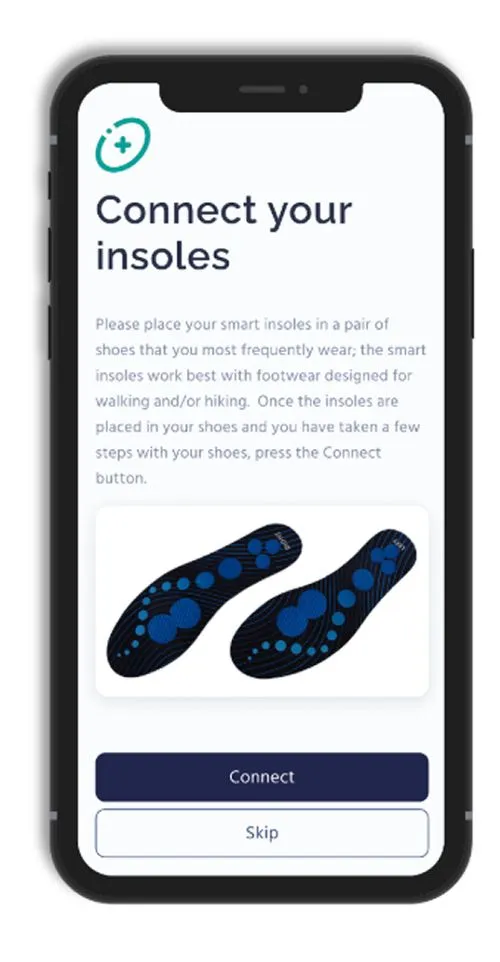
A fuller picture of how patients are treated comes into view when records are linked to what patients report about their own treatment, captured as patient-reported outcomes. The factor a patient gives themselves at home, to manage a breakthrough bleed, rarely lands in a medical record; it becomes visible when the patient reports it.
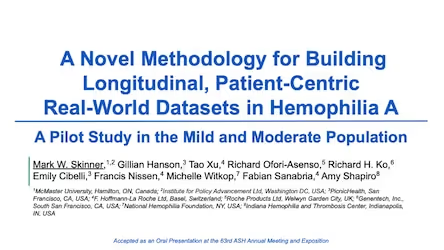
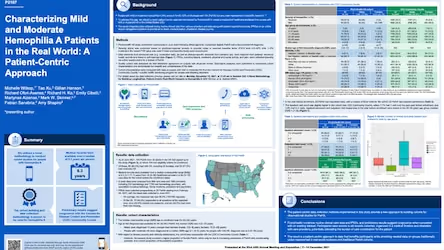
In this cohort of 131 people with hemophilia A, 87% of whom had severe disease, treatment beyond routine prophylaxis was the norm rather than the exception. The cohort included patients on standard half-life, extended half-life, and emicizumab. Over the period of two years, participants logged their bleeds and treatments in regular surveys, completing a median of 46 per person. These self-reports, linked to their medical records, are where the additional factor use and the reasons for it appear.
Of the 131, 102 (78%) reported using factor treatment in addition to their prophylaxis, most often to manage bleeds (99, 76%), and only 29 (22%) relied on prophylaxis alone. Additional treatments were also reported that covered medical procedures (33, 25%) and high-risk physical activity (28, 21%). Over a median 1.9 years of follow-up, the cohort recorded 941 bleeds, 93.4% of them treated, at a median annualized rate of 2.0. Both breakthrough bleeding events and additional treatment varied sharply by regimen:
| Prophylaxis regimen |
Participants reported treatment beyond prophylaxis |
Median annualized bleed rate |
| Standard half-life factor VIII |
95% |
3.6 |
| Extended half-life factor VIII |
83% |
3.3 |
| Emicizumab |
65% |
1.4 |
Under a prescription-only view, these participants might appear controlled on prophylaxis. On the complete record, prophylaxis alone did not fully prevent bleeding for most participants; additional treatment was how the majority actually managed their disease. The two descriptions differ materially, and that difference can decide whether an evidence package holds up under scrutiny.
What this means for an evidence strategy
For medical affairs and HEOR, a claim about disease burden, unmet need, or real-world utilization is only as defensible as the ascertainment behind it. Relying on sources that capture the medical record but not the treatment around it risks understating the burden.
How the evidence is generated
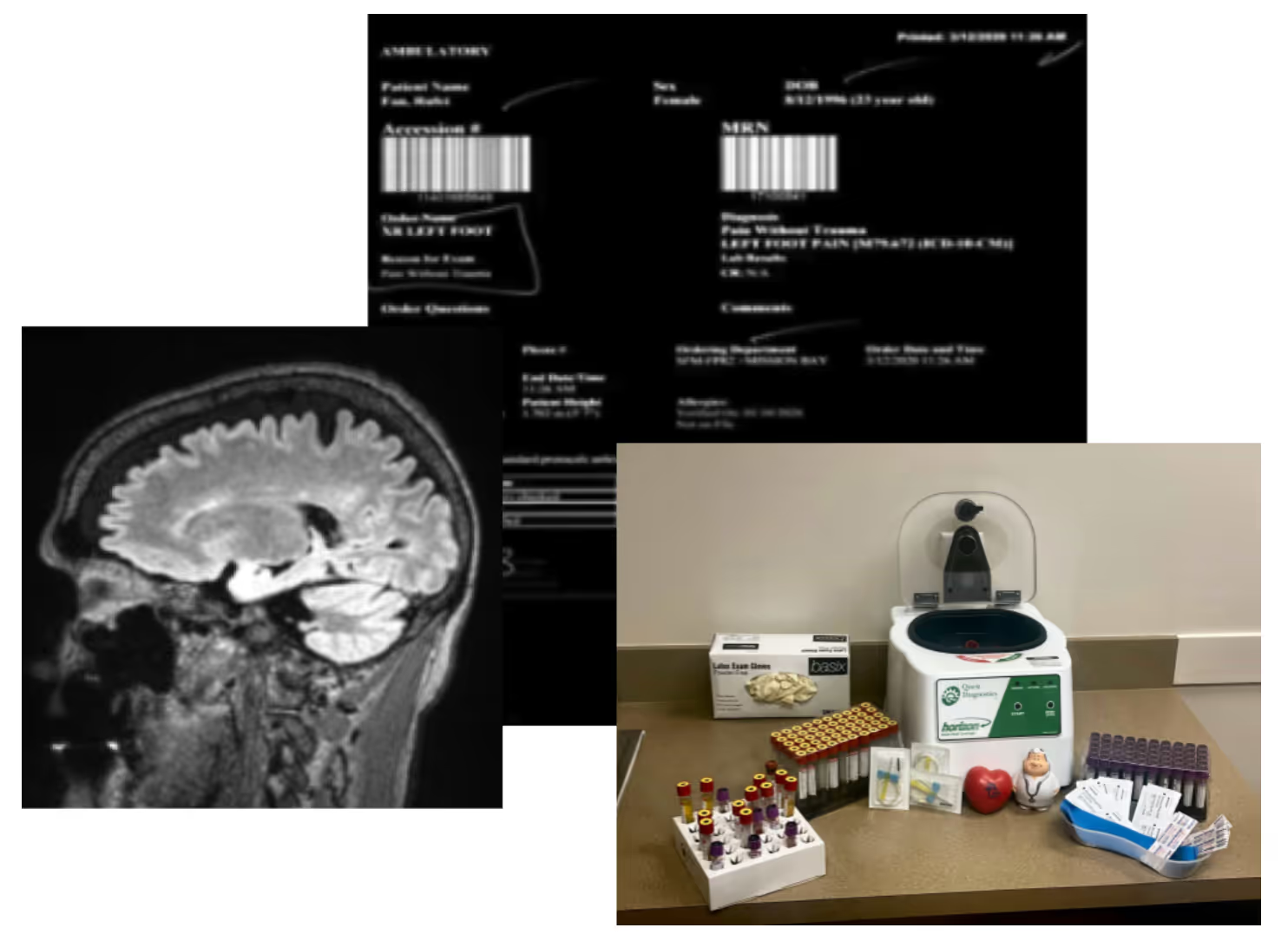
Capturing complete journeys is what PicnicResearch is built for. Its studies are direct to patient and site-agnostic: participants enroll remotely, their complete medical records are retrieved from every treating provider through their right of access, and those records are de-identified and linked to what they report over time through the PicnicHealth app. That record is deep, longitudinal, and multi-modal.
Anchoring the study design around patients rather than encounters captures treatment activity that happens outside clinic visits, particularly treatment patients self-manage. The result is a clinically defensible view of how a therapy is used in practice, one that the same design principle may make relevant in other therapeutic areas, rather than a partial view limited to what one source happens to record.
If your real-world evidence should reflect how patients actually treat their disease, we can show you what a complete, patient-connected record captures in your therapeutic area. Talk with our team.