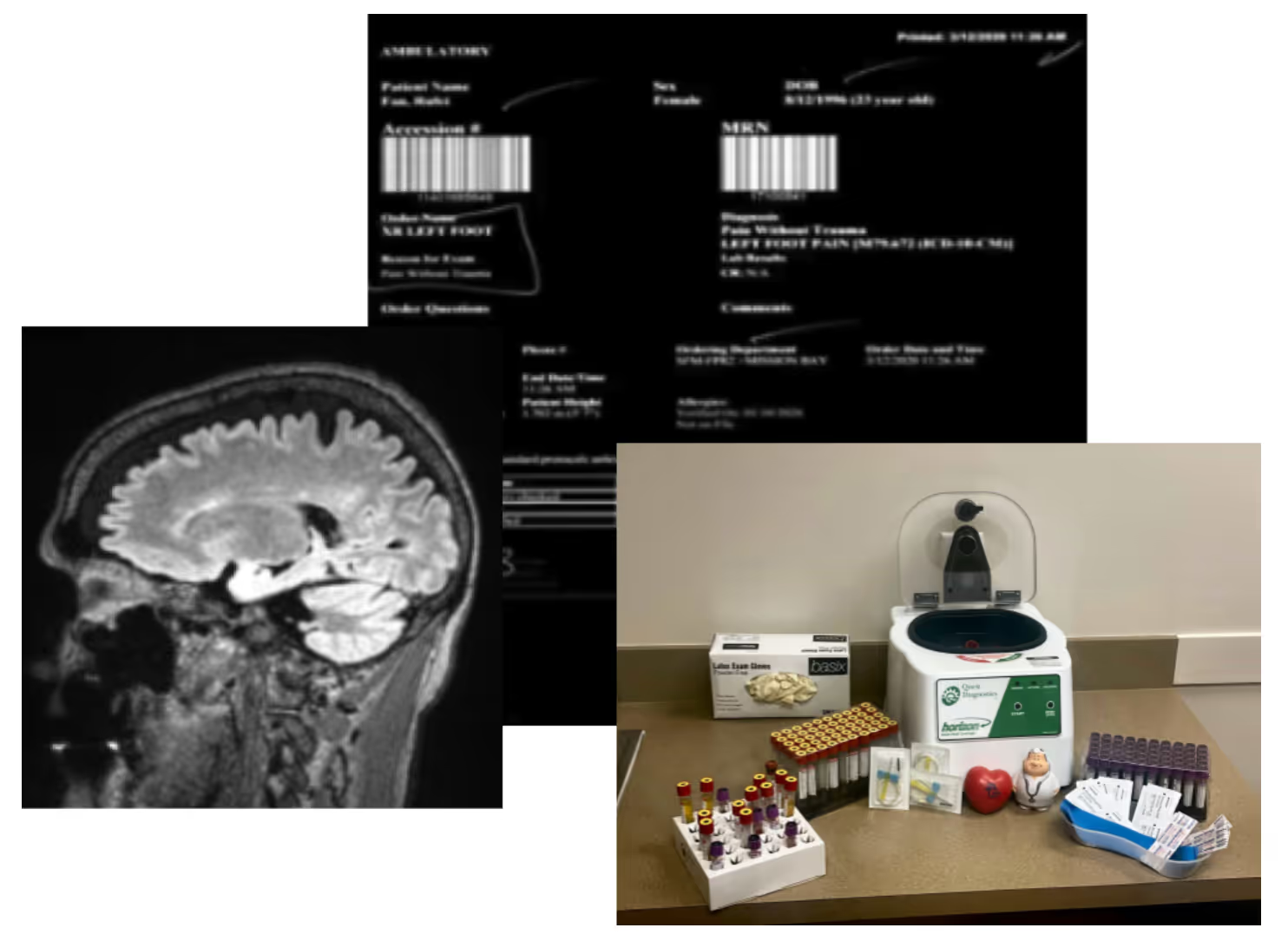
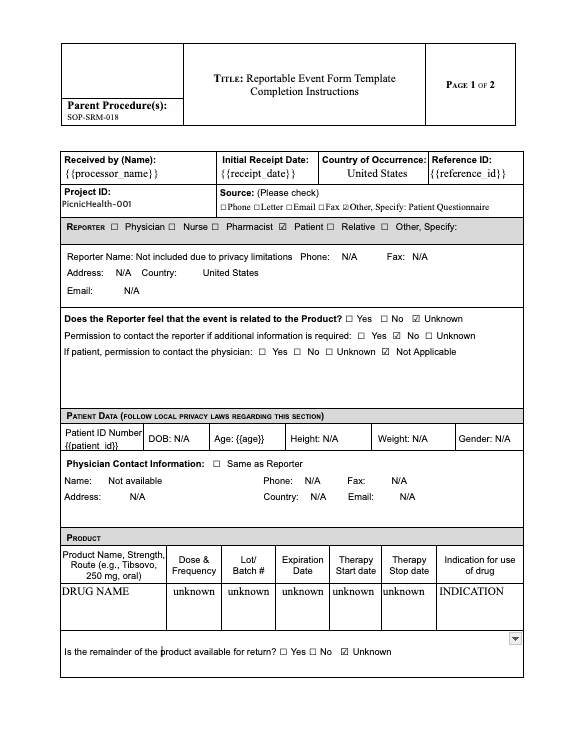
Clinical study requirements take shape long before there’s a protocol. They start in early sponsor conversations, sharpen during scoping, and keep evolving through sponsor calls, document redlines, and emails. By the time setup begins, they live in many places.
A reliable study setup has to carry those requirements into every part of the study, from what participants are asked to do and when, to what data the sponsor receives. It also needs a clear record of how conflicting information was resolved and who approved the final setup.
If one of those decisions doesn’t make it into the setup, the study runs differently than the sponsor expects. Say the sponsor agreed by email to keep each survey open for 7 days, but the setup follows an earlier protocol draft that closes it after 5. Participants miss the window, compromising data completeness and introducing a protocol deviation.
The standard approach to clinical study setup
Study teams build the setup by hand from the protocol, consent forms, data model, and other controlled documents, plus operational details those documents never cover. Then someone checks the setup against every source, and checks again whenever a document changes. That checking keeps a study reliable, but done by hand it costs days to weeks across the life of a study.
What does a study configuration agent do?
At PicnicResearch, a study configuration agent drafts each setup, and we use it on every study we run today. This includes everything that shapes what participants experience and what data the sponsor receives: the schedule of activities, surveys, case report forms, onboarding, reminders, wearables, remote visits, and the consent flow. Most of it comes from controlled documents. Meeting minutes, emails, and other sources our team provides fill in the operational details.
How the agent resolves conflicting requirements
Some details need judgment that documents can’t settle, like a protocol draft that closes surveys after 5 days while a later sponsor email says 7. The agent routes those discrepancies to the person accountable: study design to the epidemiologist, timelines to the project manager, channel partner decisions to the recruitment manager. Their answer goes into the setup’s record, along with who made the call.
Nothing reaches a participant until our team and the sponsor approve it. Every detail can be traced to its source, who weighed in, and what changed. The approved setup is published as version 1.0. When a document changes after launch, the agent drafts the update as a new version, and it goes through the same review.
Example: configuring a rare disease study
On a recent rare disease study, the agent drafted the full setup, including the eligibility survey, the baseline surveys, the quarterly and annual survey schedule, a monthly symptom check-in, an on-demand symptom diary, a wearable substudy, and the compensation schedule. Two design questions went to our study team for resolution. The epidemiologist set the monthly symptom check-in to open on the first of each calendar month and ask about the month that just ended. And because participants can log symptoms in the diary at any time, the team decided the check-in should be suppressed for any month a participant had already reported, so nobody is asked to report the same thing twice. The agent folded both decisions into the setup, then ran it through rounds of testing, logging issues for the team, and re-running the tests after each fix. The team and sponsor then reviewed and approved everything before launch.
What sponsors get: a study that runs as agreed
For sponsors, quality begins with a setup that faithfully carries the study’s requirements into practice. Reliability depends on keeping those requirements connected to their sources, resolving questions with the accountable people, and reviewing changes before they go live. This process gives our team and the sponsor a record they can inspect and stand behind, from initial setup through later updates. And with the agent handling the drafting, our study team has more time for the work that shapes the evidence: the scientific design of the study, and staying close to the sponsor as their questions evolve.
This configuration workflow illustrates PicnicResearch’s broader approach to accelerating the research lifecycle. Agents reduce manual setup work, while traceable requirements and accountable review help carry scientific intent into study execution. The same traceable setup carries forward when consented participants continue into follow-on studies. Together, this supports research that moves forward with continuity in both how studies are run and how participants stay involved across them.
Drafted by agents. Adjudicated by experts. Traceable from protocol to participant.
Talk with our team about your next study.